
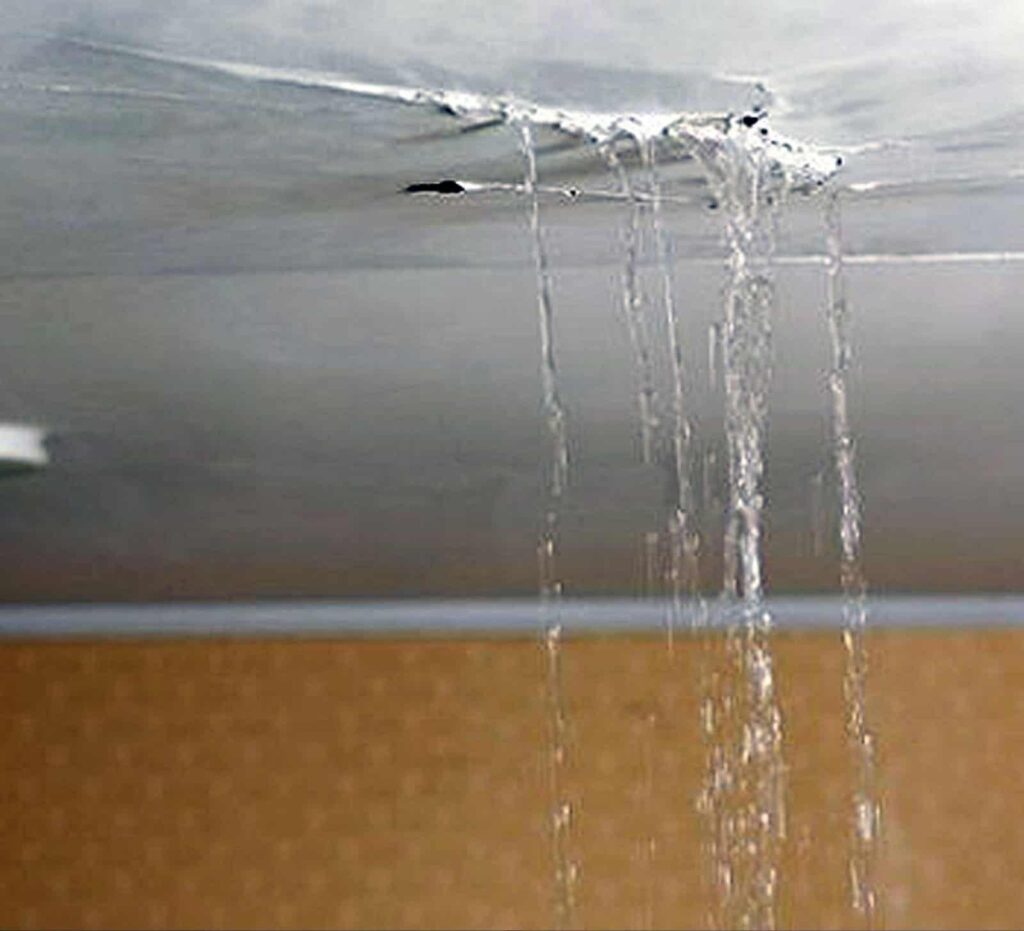
A sudden leak inside the house can feel chaotic. Water from the ceiling or upper wall usually sends people rushing for towels, buckets, and anything else that can slow the mess. The priority is not to diagnose the whole roof on the spot. It is to protect the inside of the home, reduce immediate damage, and respond without creating a bigger problem. Acting quickly matters, especially when a leak may point to the need for roof repair brigham city.
What often makes a sudden leak confusing is that the visible water is not always directly beneath the roofing failure. Moisture can move along decking, rafters, or insulation before it appears indoors. That is why homeowners should avoid guessing too quickly about the source. A calm, step-by-step response is usually more useful than trying to fix everything at once.
Start by Protecting the Area Inside
As soon as water is coming in, clear the area below the leak. Move furniture, electronics, rugs, and anything else that could be damaged by water. Put down containers to catch dripping water, then use towels or old sheets to protect the flooring around them. If water is spreading across the floor, dry it as soon as possible to prevent it from soaking baseboards, carpet, or wood.
If the ceiling has started to bubble or sag, treat that as a warning sign. Water may be collecting above the drywall. In that situation, the area should be approached carefully because a saturated ceiling can weaken quickly. Homeowners should keep people away from that spot and avoid standing directly under it.
It also helps to shut off power to the affected area if water is moving near light fixtures, outlets, or ceiling fans. Electricity and active moisture are a dangerous combination. If the panel is safely accessible, turning off power to the affected room can reduce risk until the area is inspected.
Check What You Can Safely See
Once the interior is protected, look for basic signs without climbing onto the roof. The safest first inspection usually takes place from inside the attic, if there is one. A flashlight may reveal wet insulation, darkened wood, or a visible drip along the underside of the roof deck. Even then, the goal is observation, not exploration. Wet attic framing can be slippery, and unsupported surfaces should never be stepped on.
From the ground, a homeowner may also spot obvious issues such as missing shingles, lifted roofing material, bent flashing, or debris that may have damaged the surface. A roof does not need to look destroyed for water to get in. Sometimes the entry point is a small opening around flashing, a vent, or a weakened section of shingle.
The main point is to gather useful clues without taking risks. Sudden leaks often happen during bad weather or right after it, which is exactly when the roof is most dangerous to walk on.
Document the Damage Before Cleanup Goes Too Far
Take photos before you start moving things around. Get pictures of the leak, any stains on the ceiling or walls, damaged items nearby, and anything visible from the attic or from the ground outside. It is also worth photographing standing water, soaked flooring, or the containers catching the drip. Those images can help later if a contractor or insurance company needs to see what happened.
It also helps to write down a few details while everything is still fresh. Note when you first saw the leak, what the weather was like, and whether the water got worse during wind or heavier rain. Small details like that can make it easier to figure out where the problem started.
You can still begin drying the area and protecting the house, but it is better to document the damage first. Once wet items are moved or surfaces are cleaned up, some of the clearest signs of the leak are gone.
Use Temporary Measures Carefully
Most homeowners want to stop the water as fast as possible. That makes sense, but temporary steps should stay simple and safe. If water is dripping from one spot, place a bucket or container under it and protect the surrounding floor with towels. If the leak is visible from the attic, catching the water there may help limit the mess below until a roofer can inspect it.
What you should not do is climb onto the roof in bad conditions. A wet or icy roof is dangerous, and a quick look often does not reveal much anyway. Store-bought patch products can also be misleading. They may slow the leak for a little while, but they do not always fix the actual opening that lets the water in.
Think of temporary steps as a way to limit damage inside the home, not as the repair itself.
Know When to Call a Roofer Right Away
Some leaks give you a little time to schedule an inspection. Others need faster attention. Water coming in during a storm, a leak that keeps returning in the same spot, a ceiling that is starting to swell, or insulation that looks wet all suggest a more serious problem. The same goes for leaks that appear after strong winds, heavy rain, or snow.
A roofer can check the shingles, flashing, roof penetrations, and the wood beneath the surface to see how far the problem goes. What looks small from inside the house can sometimes trace back to a larger weak spot on the roof. Water may also have been getting in longer than it first appears.
At that point, homeowners need more than a quick guess. They need to know where the leak started, how much moisture has spread, and whether the issue is limited to one repair area or has begun to affect the materials beneath.
This is also where clear communication matters. Ask what failed, what materials need to be addressed, and whether the damage appears recent or ongoing. If the leak exposed a weak area that had likely been developing for a while, that context helps homeowners make a more informed decision about timing and budget.
What to Do After the Immediate Crisis
Once the active water is under control and the roof has been inspected, do not ignore the inside of the house. Damp insulation, stained drywall, and wet wood need attention, too. Even after the roof opening is repaired, trapped moisture can linger in enclosed spaces, leading to odors, staining, or further material damage.
That is also a good time to consider the roof’s overall condition. A sudden leak is sometimes a single event, but it can also reveal a larger pattern of wear. If the repair uncovers aging shingles, weakened flashing, or recurring moisture around vulnerable roof features, homeowners may need to look beyond the one visible spot. In that situation, getting help with roof repair brigham city becomes less about reacting to one leak and more about preventing the next one.
Conclusion
The best response to a sudden leak is not panic. It is a sequence of smart steps. Protect the area inside, avoid unsafe roof access, document what happened, and bring in a professional when the signs point to more than a simple surface issue. A fast response can limit interior damage, but a careful response is what helps prevent the same problem from returning. When a leak appears without warning, the goal is not just to stop the drip. It is to make sure the home is fully protected once the water is gone.