

The UK has never been more accessible to an average person in terms of investing. Your smartphone and a mere fraction of capital will now allow you to own portions in international organisations or to invest in funds that will track markets in their entirety. Nonetheless, the number of the apps and websites is overwhelming. It is important to select the appropriate platform since paying excessive costs or having a bad user interface will push you back before you even start.
Identify Your Investment Strategy
You must first understand what you are intending to accomplish before you download an app. Do you want to actively trade the stock of individual stocks, or just have an index fund that you set and forget? Others are day traders platforms with sophisticated charting, and others are long-term investor platforms where a person only needs to deposit money to an ISA monthly. To simplify this step, you may resort to the comparison resources such as The Investors Centre to see detailed breakdowns of what each broker offers and compare their characteristics with your particular financial objective. Understanding your plan will enable you to weed out those platforms which are complicated or too simple to use.
Know the Fee Structure
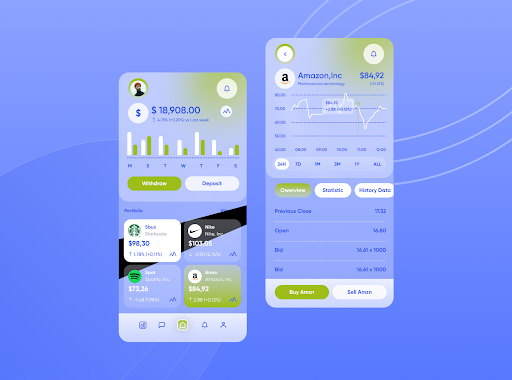
Silent killer of the returns of investing is fees. Even a 1 per cent in fees taken over ten or twenty years can make you thousands of pounds. Comparing platforms, the two most important charges to consider include platform fees and trading fees. Platform fee is usually a portion of the total assets in your portfolio and is normally given out as a percentage of your assets per year. Whenever you buy or sell a share, there is a fee that is charged. When you are going to trade regularly, you will want to find a provider whose commission on trades is low or none. A fixed fee platform may be more affordable than a percentage based platform, in case you have a large portfolio.
Check for FCA Regulation
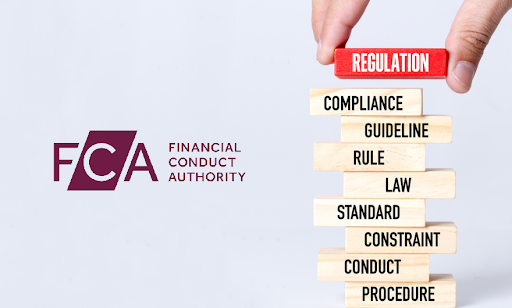
The issue of security should be on your slippery slope. In the UK, legitimate investment platforms should be approved and controlled by the Financial Conduct Authority (FCA). This regulation will make the firm stick to stringent rules concerning the manner in which they manage client money. Another thing you need to do is to find out whether the platform is under the Financial Services Compensation Scheme (FSCS). This is a scheme that will save your assets up to PS85,000 in the event the platform itself collapses. It is a good adage not to invest money on an unregulated application, no matter how enticing their marketing promises may sound.
Review the User Experience
When you are a new user, you would wish to have a user-friendly platform. Crowded dashboard with lingo may cause an error, e.g., the purchase of the wrong stock or a miscalculation of a currency exchange. Most of the platforms are now providing demo accounts where you can practice using virtual money. This is an excellent method of trying out the mobile application and the desktop site to determine whether you are comfortable with the design. User experience also includes good customer support, and therefore seek out live chat or email response.
Consider the Range of Assets
Lastly, make sure the site has the desired investments. Others will only get you to purchase the UK shares and others enable you to purchase the US technology stocks, European markets and ETFs that are less popular. In case you are interested in such niche markets as renewable energy or cryptocurrency, make sure that the platform accepts them. With such a variety of choices, it gives you the ability to diversify your portfolio accordingly without having to open various accounts with different service providers.
Conclusion
One of the financially prudent choices that you can make is to take time and choose the appropriate investment platform. You lay a good ground by organizing your objectives, paying low charges and having a strong security to build your wealth. You should do your research today because you can invest tomorrow confidently.