
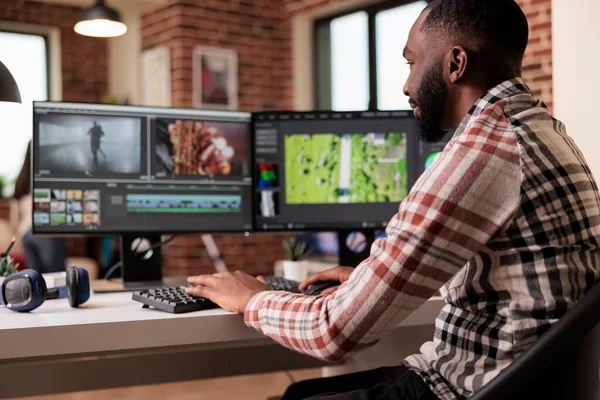
Creating videos is now part of everyday online communication. A small business owner may need a product clip, a teacher may want to turn a lesson into a simple explainer, and a creator may need several versions of the same video. The challenge is that editing often takes longer than recording.
This is where ChatGPT-assisted video editing starts to matter. Instead of replacing traditional editing, it changes how people begin the process. Creators can describe what they want in natural language, use AI to shape an early draft, and then refine the result themselves.
For everyday creators, that can make video production feel less technical and more manageable.
Video Editing Is Becoming More Conversational
Traditional video editing usually starts with a timeline, a set of clips, and many manual decisions. The editor chooses what footage to keep, where to cut, how to order scenes, and what needs further polishing.
AI-assisted workflows introduce another way to begin. A creator can give instructions in ordinary language, such as asking for a shorter version, a tighter opening, or a rough sequence built from selected clips. That does not remove editing knowledge, but it can reduce repetitive setup before the creative work begins.
Faster First Drafts Can Improve the Workflow
One useful role for AI is helping creators get past the empty timeline.
A rough cut does not need to be perfect. Its purpose is to create a workable starting point. If AI can help sort footage, trim dead space, suggest a sequence, or prepare an initial structure, creators can spend more time reviewing the story and less time on mechanical tasks.
What an Online ChatGPT Editing Workflow Can Help With
The phrase ChatGPT video editor online may suggest that a user can type a sentence and receive a completely finished video. In practice, the more useful idea is assisted editing.
Depending on the tool and workflow, AI can help identify useful moments, organize clips, shorten sections, prepare a first-pass structure, or support tasks such as captions and formatting. The creator still reviews the result and decides whether the pacing, tone, and visual choices fit the intended audience.
That matters because video editing is not only about cutting footage. A clean edit can still feel wrong if the opening is slow, the message is unclear, or an important moment disappears.
Everyday Creators Still Make the Important Decisions
AI works best when the creator knows what the video is supposed to achieve.
A travel creator may want energy and fast pacing, while a tutorial needs enough time for viewers to follow each step. A product video may need clarity, while a personal story may depend on pauses and emotion.
Creators should therefore treat AI-generated edits as drafts rather than final answers. Reviewing transitions, checking captions, listening for awkward cuts, and confirming that important context remains are still essential.
Better Prompts Can Lead to Better Results
As editing becomes more conversational, clear instructions become a practical skill.
Instead of asking AI to “make the video better,” a creator can describe the goal precisely. They might ask for a 45-second version, remove long pauses, keep the strongest demonstration near the beginning, or maintain a calm pace for an instructional audience.
Clear prompts reduce guesswork. They also make it easier to compare different versions of the same footage without rebuilding the edit from scratch.
AI Makes Editing More Accessible, Not Automatic
For everyday creators, the biggest change may be accessibility. Someone who finds professional editing software overwhelming can begin with an instruction instead of a complex timeline. More experienced editors can use the same tools to reduce repetitive work.
However, automation does not guarantee quality. AI can misunderstand context, select the wrong moment, or create pacing that feels unnatural. Creators still need to check accuracy, continuity, audio quality, permissions, and whether the final video communicates what they intended.
Conclusion
ChatGPT-assisted video editing is changing the starting point of content creation. It can help everyday creators move from raw footage to a workable draft with less manual effort, while natural-language instructions make the process easier to approach.
The real advantage is not handing every decision to AI. It is using AI to handle part of the preparation so creators can spend more time on story, clarity, pacing, and audience needs. For people making videos regularly, that shift can make editing faster without removing the human judgment that gives a video its purpose.